Reflections on art, process,
memory, and the long road
between drafts.

shadow-1 (1)

Writing Process

Murder in the Shadows: Why
Poe and Berlioz Make Perfect
Partners

Both men were outsiders, romantics, obsessives. Both transformed personal anguish into revolutionary art. Putting them together in 1830 Paris—solving murders while the seeds of detective fiction take root—felt inevitable.

shadow-2

Historical Research

From Symphony to Stage:
The Berlioz-Smithson Love
Story

The true story behind The Dream Was Too Beautiful—how an Irish actress’s Ophelia drove a French composer to madness, genius, and one of music’s most radical symphonies.

shadow-3

Craft & Mythology

The Morrigan's Game:
Finding Celtic Gods in
Modern Cork

The Celtic gods never left Ireland. They’re only waiting in the shadows. Notes on weaving ancient mythology into contemporary fantasy.

Music & Story

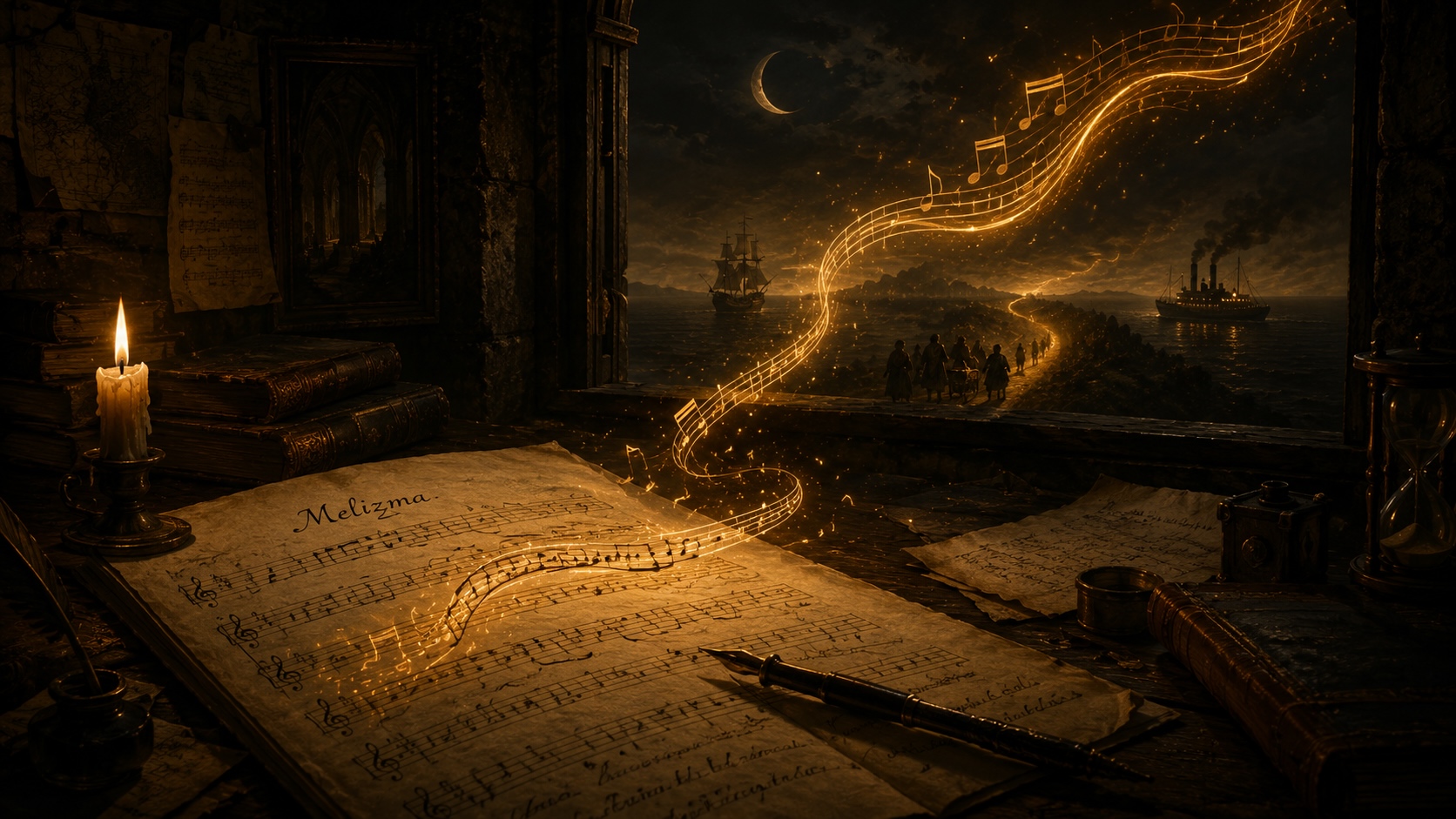
I’ve listened to the March to the Scaffold hundreds of times. In that four and a half minutes, I watch a man die—the prison, the crowd, the blade, and two quiet plucked (pizzicato) notes that change the room every time I play them for students.

Craft & Mythology

There’s an old Haida story about how the raven stole the sun and threw it into the sky so we wouldn’t have to live in darkness. That’s the teacher’s mission. Three novels later, the trickster keeps showing up — and in Three Moons, he wears gray feathers.

Character Inspiration

Not just a pub—a threshold, a living room, a stage. How real Irish pubs built the fictional heart of the Trilogy, and why the cosmic apocalypse keeps circling back to a pub in Cork.

Character Inspiration

Eleanor chose her career. Henriette chose her art. Camille chose security. Three women in 1830 Paris, each navigating a world that offered them almost nothing.

Craft & Mythology

Irish mythology has four great cycles, each with its own heroes, tragedies, and impossible loves. A map for readers encountering them for the first time.

Character Inspiration

I cut an article out of a newspaper years ago and have carried it ever since. It was about a woman named Pauline who refused to leave the land her family had stood on for generations. “Three Moons” is not her story. But it could not have been written without her.